Today

Maharani Temple of Gulmarg

Maharani Temple of Gulmarg

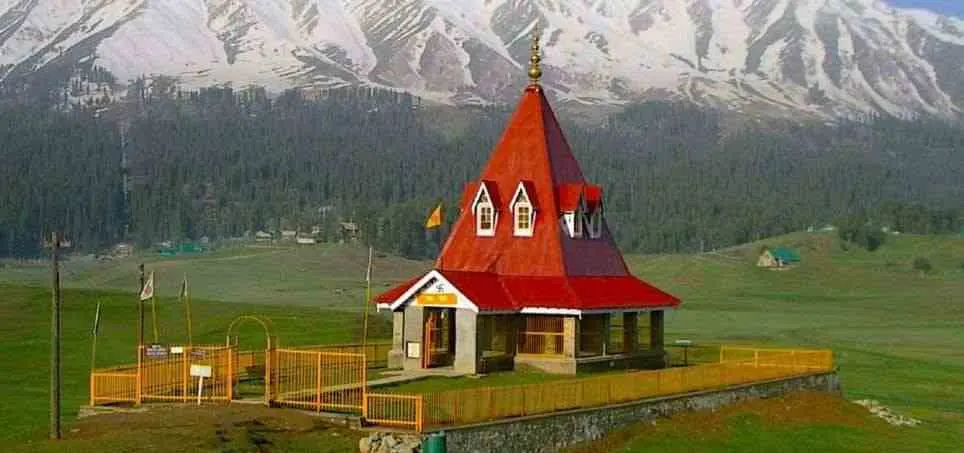
Brief Introduction of Maharani Temple of GulmargThe Maharani Temple of Gulmarg, which is located on a tiny hillock and can be seen from every part of the town, is devoted to Lord Shiva and Goddess Parvati. It stands out against the lush fields with its crimson roof. It is well-known for being the location where the renowned Bollywood song "Jai Jai Shiv Shankar" was filmed and is also referred to as the Rani Temple or Mohineshwar Shivalaya. Mohini Bai Sisodhia, Maharaja Hari Singh's wife, constructed the Maharani Temple in 1915. The Dogra Kings of Jammu and Kashmir own this shrine. The Maharani temple, which sits in the midst of Gulmarg, is an illustration of how different religions may coexist since a Muslim priest performs rites there.
Nearby

More to see around Gulmarg

Tour packages

Trips that include Gulmarg

Maharani Temple of Gulmarg – frequently asked questions

Can I expect snowfall if I book a Kashmir winter package?

Snowfall cannot be guaranteed on specific travel dates. Weather conditions vary each year, and a destination may have snow on the ground without experiencing fresh snowfall during your visit.

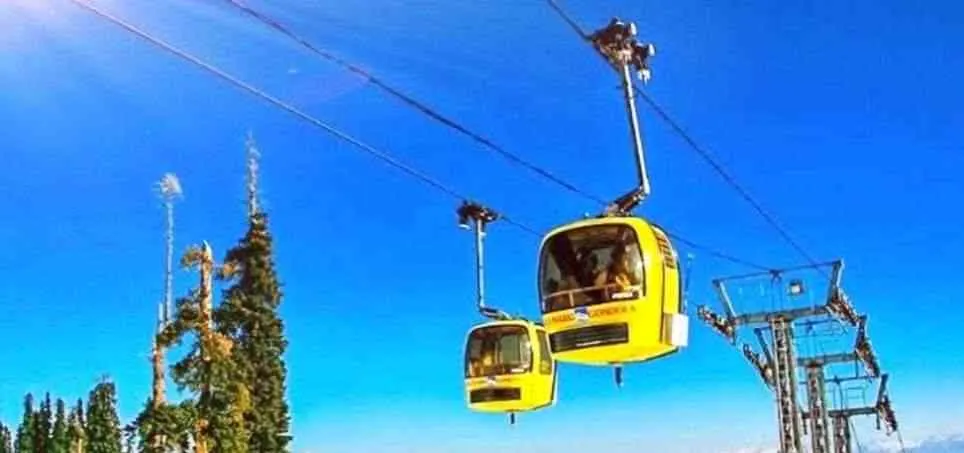
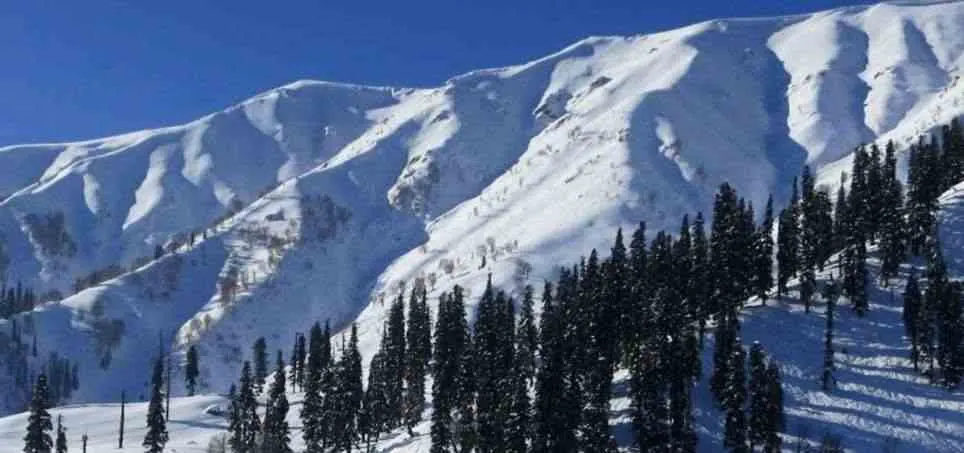
December to February is generally a suitable period to plan a winter trip, and Gulmarg is a popular destination for snow experiences. However, snowfall, road access, and Gondola operations depend on prevailing conditions.

If snow is your main priority, we recommend keeping your itinerary flexible and checking the latest local weather and travel updates before visiting mountain destinations.

Our advice is to plan for a winter experience rather than rely on a promise of snowfall on a particular day.

Which is the best month to visit Kashmir?

Kashmir is beautiful throughout the year, but the best month depends on the experience you want.

  • March–April: Spring flowers, fresh greenery, and the tulip season, depending on bloom dates (see the Tulip Garden).
  • May–August: Green valleys, mountain scenery, gardens, and outdoor sightseeing (see our summer in Kashmir guide).
  • October–early November: Golden and reddish autumn colours, especially around Srinagar's chinar trees.
  • December–February: Winter scenery and opportunities to experience snow, depending on weather conditions, especially at Gulmarg.

Each season offers a different side of Kashmir. Our recommendation is to select your travel dates according to your preferred experiences, budget, and comfort.

What are the extra expenses in a Kashmir tour package?

Extra expenses depend on the selected package and itinerary. Common examples include:

  • Gulmarg Gondola tickets.
  • Pony rides.
  • Local union taxis for particular sightseeing areas.
  • Entrance tickets.
  • Optional activities and adventure experiences.
  • Additional sightseeing outside the agreed route.
  • Personal shopping and expenses.
  • Meals or services not included in the selected plan.

We recommend asking for a written quotation that clearly separates included services from optional expenses.

It is also sensible to keep approximately 10–15% of your planned trip budget aside for unforeseen expenses. This is a budgeting suggestion, not a mandatory fee.

What happens if bad weather affects my Kashmir itinerary?

Weather conditions, snowfall, road closures, and other local circumstances can affect sightseeing and travel schedules, especially in winter.

If a disruption occurs, the available alternatives depend on the affected route, current conditions, and supplier availability. We recommend keeping some flexibility in your itinerary and avoiding tight connections between destinations.

If changes become necessary, we aim to communicate the available options and discuss any changes affecting the agreed services or price before proceeding, wherever possible (see our cancellation and refund policy).

Travellers should always follow local authorities' guidance when weather or road conditions make travel unsuitable.

How many days are enough for a Kashmir trip?

We generally recommend 5 nights and 6 days for a relaxed first Kashmir trip. This gives you more time to explore the major destinations without rushing between places.

Suggested durations include:

  • 3 nights / 4 days: Srinagar, Dal Lake, Mughal Gardens, and a Gulmarg excursion.
  • 4 nights / 5 days: Srinagar, Gulmarg, and Pahalgam.
  • 5 nights / 6 days: Srinagar, Gulmarg, and Pahalgam with a more relaxed pace and overnight stays in different destinations.
  • 6 nights / 7 days or longer: More time for Sonamarg, Doodhpathri, Yusmarg, or other destinations, subject to season and accessibility.

For travellers interested in offbeat places, photography, or a slower holiday, we recommend allowing a week or longer.

Majid Hussain, founder of Acme Tour And Travels

About the author

Founder, Acme Tour And Travels · Srinagar, Jammu and Kashmir

Majid Hussain is the founder of Acme Tour And Travels, a Srinagar-based travel agency registered with the Jammu and Kashmir Tourism office. Working with a local team that has more than seven years in the hospitality industry, he plans Kashmir, Ladakh and Jammu trips for couples, families and groups, from hotels and houseboats to cabs and pilgrimage packages. The guides and package pages on this site are written from that day-to-day experience, and he welcomes questions from travellers planning a trip.

  • Kashmir itineraries
  • Houseboats and hotels
  • Cab and transport planning
  • Seasonal travel advice

majiidhussain@yahoo.com · About the team · Contact us

Last updated 21 October 2026

Planning a trip to Kashmir, Ladakh or Jammu?

Tell us your dates and group size – we will reply with an itinerary and quote.