
Today

Bangus Valley

Hemis

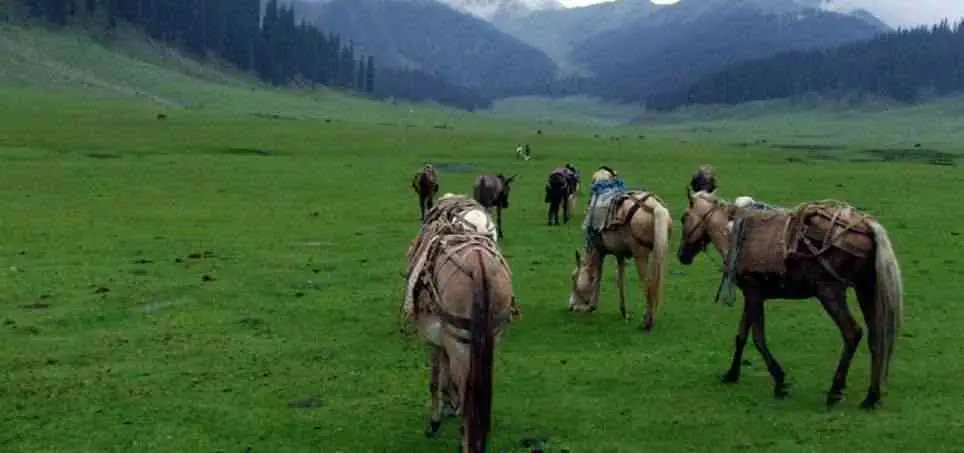
Brief Introduction of Bangus ValleyThis valley has remained untouched for many years, yet it is currently emerging as one of Kashmir's most fascinating locations. Bangus is a component of a distinctive biological environment that includes mountain and grassland with flora, Taiga or Coniferous woodland, and is located at 48 kilometres from the district headquarters in Kupwara, which is located in the foothills of the Himalayas. The Valley, which situated in Handwara in the District of Kupwara, is equally stunning as Gulmarg and Pahalgam but less developed and more unspoiled. This valley is teeming with wild flowers and natural plants. The wide, lush fields appear to have been scattered by divine hands and like natural tapestries. The beautiful Valley of the Bangus is described as having extreme natural beauty, tranquilly, and magnificence, to name a few. INTACH has suggested that the valley be developed as a Himalyan Biosphere, based on the following factors. The bangus valley's biosphere is being created in order to prevent the valley's designated lands for preservation and protection from being completely occupied and altered by an escalating population, expanding habitation, rising mechanisation, and consequent development activities. The suggested biosphere is being developed as a plan, the strategy for guaranteeing the advantages of a long-lasting natural environment for both present and future generations of humans. The Bangus Valley is one of Kashmir's lesser-known yet very promising tourist destinations. The valley, which is located in the northern border district of Kupwara and is a part of the Handwara sub district, is around 10,000 feet above sea level. The main valley, locally referred to as Bod Bangus (Big Bangus), is comprised of a linear elliptical bowl located along the east-west axis and is believed to be roughly 300 square kilometres in size. Rajwar and Mawar mountains in the east, Shamasbury and Dajlungun mountains in the west, Chowkibal and KarnahGuli in the North Leepa mountains in the south, and these mountains altogether encircle the valley. On the north-eastern side of the main valley is a little side valley called as Lokut Bang (Small Bangus). The flat green meadows in both valleys are flanked by low-lying mountains covered in dense pine trees (Budloo). Bangus Valley,unexplored places in kashmir

Bangus Valley – frequently asked questions

Can I visit offbeat destinations in Kashmir?

Yes. Travellers with additional time can consider destinations such as Doodhpathri and Yusmarg, depending on seasonal accessibility and local conditions.

These places can be attractive for visitors who enjoy natural scenery and want to explore beyond the busiest tourist spots (read our guide to 10 offbeat destinations in Kashmir).

We recommend discussing offbeat sightseeing before booking so that transport requirements, additional costs, journey times, and overnight arrangements can be planned properly.

For a first visit, we generally suggest covering the main destinations first and adding offbeat places when your trip duration allows.

Which is the best month to visit Kashmir?

Kashmir is beautiful throughout the year, but the best month depends on the experience you want.

  • March–April: Spring flowers, fresh greenery, and the tulip season, depending on bloom dates (see the Tulip Garden).
  • May–August: Green valleys, mountain scenery, gardens, and outdoor sightseeing (see our summer in Kashmir guide).
  • October–early November: Golden and reddish autumn colours, especially around Srinagar's chinar trees.
  • December–February: Winter scenery and opportunities to experience snow, depending on weather conditions, especially at Gulmarg.

Each season offers a different side of Kashmir. Our recommendation is to select your travel dates according to your preferred experiences, budget, and comfort.

How many days are enough for a Kashmir trip?

We generally recommend 5 nights and 6 days for a relaxed first Kashmir trip. This gives you more time to explore the major destinations without rushing between places.

Suggested durations include:

  • 3 nights / 4 days: Srinagar, Dal Lake, Mughal Gardens, and a Gulmarg excursion.
  • 4 nights / 5 days: Srinagar, Gulmarg, and Pahalgam.
  • 5 nights / 6 days: Srinagar, Gulmarg, and Pahalgam with a more relaxed pace and overnight stays in different destinations.
  • 6 nights / 7 days or longer: More time for Sonamarg, Doodhpathri, Yusmarg, or other destinations, subject to season and accessibility.

For travellers interested in offbeat places, photography, or a slower holiday, we recommend allowing a week or longer.

What happens if bad weather affects my Kashmir itinerary?

Weather conditions, snowfall, road closures, and other local circumstances can affect sightseeing and travel schedules, especially in winter.

If a disruption occurs, the available alternatives depend on the affected route, current conditions, and supplier availability. We recommend keeping some flexibility in your itinerary and avoiding tight connections between destinations.

If changes become necessary, we aim to communicate the available options and discuss any changes affecting the agreed services or price before proceeding, wherever possible (see our cancellation and refund policy).

Travellers should always follow local authorities' guidance when weather or road conditions make travel unsuitable.

Should I book my Kashmir package in advance or after arriving?

We recommend booking in advance, particularly during summer holidays, the tulip season, New Year, and other busy travel periods.

Advance planning gives you a better opportunity to compare accommodation, confirm suitable rooms and vehicles, and organise your preferred itinerary. Availability and rates can change as demand increases.

We have helped travellers who arrived in Kashmir without confirmed hotel and cab arrangements and then struggled to find suitable options at reasonable prices.

For this reason, we recommend confirming your accommodation and transport before departure rather than relying entirely on last-minute arrangements. You can contact our Srinagar team to start planning.

Majid Hussain, founder of Acme Tour And Travels

About the author

Founder, Acme Tour And Travels · Srinagar, Jammu and Kashmir

Majid Hussain is the founder of Acme Tour And Travels, a Srinagar-based travel agency registered with the Jammu and Kashmir Tourism office. Working with a local team that has more than seven years in the hospitality industry, he plans Kashmir, Ladakh and Jammu trips for couples, families and groups, from hotels and houseboats to cabs and pilgrimage packages. The guides and package pages on this site are written from that day-to-day experience, and he welcomes questions from travellers planning a trip.

  • Kashmir itineraries
  • Houseboats and hotels
  • Cab and transport planning
  • Seasonal travel advice

majiidhussain@yahoo.com · About the team · Contact us

Last updated 21 October 2026

Planning a trip to Kashmir, Ladakh or Jammu?

Tell us your dates and group size – we will reply with an itinerary and quote.